
Early building design
The decisions made in a building's first sketches, its shape, orientation, windows and shading, shape its energy performance for decades. Our enhanced eDOT tool helps design teams get them right while changes are still easy and cheap.
- Tool
- Enhanced eDOT
- Methods
- Pareto optimisation, EnergyPlus simulation in the cloud
- Shows
- Energy, incremental cost, savings and payback
Why the early stage matters
Early-stage design decisions shape a building's energy performance. At this stage, significant design changes are easy and inexpensive to make, so the right solution can still be reached. Once drawings are detailed, the same change costs far more.
The decisions that matter most this early are the building's orientation and aspect ratio, its window-to-wall ratio, the type of glass and the shading.
What the tool does
- Screens thousands of options. Pareto optimisation runs through thousands of combinations of envelope, glazing and shading, and presents the trade-off frontier between energy and cost.
- Shows what each measure costs and saves. A cost–benefit analysis gives the incremental cost, energy savings and payback of each measure, so the design team can pick the option that fits its budget.
How it works
- The designer sets the parameters in a simple interface.
- The tool prepares EnergyPlus input files and runs the simulations in parallel in the cloud.
- The results are collated and clustered into design strategies.
- The designer sees the strategies visualised, adjusts the parameters and runs again.
More in decarbonizing the building sector
Decarbonizing the building sector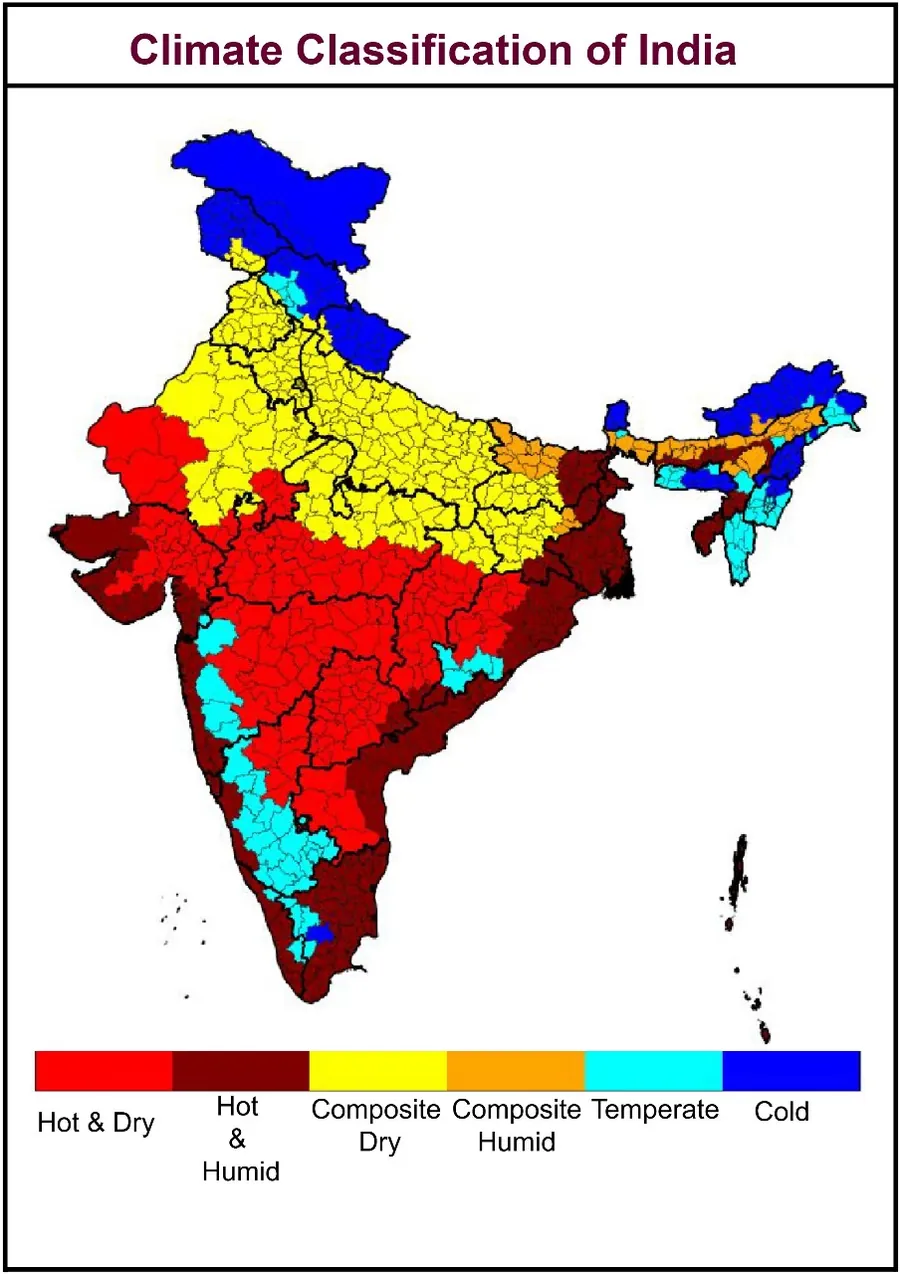
Climate zones for Indian districts
A new climate classification for every district in India, built for building energy performance.
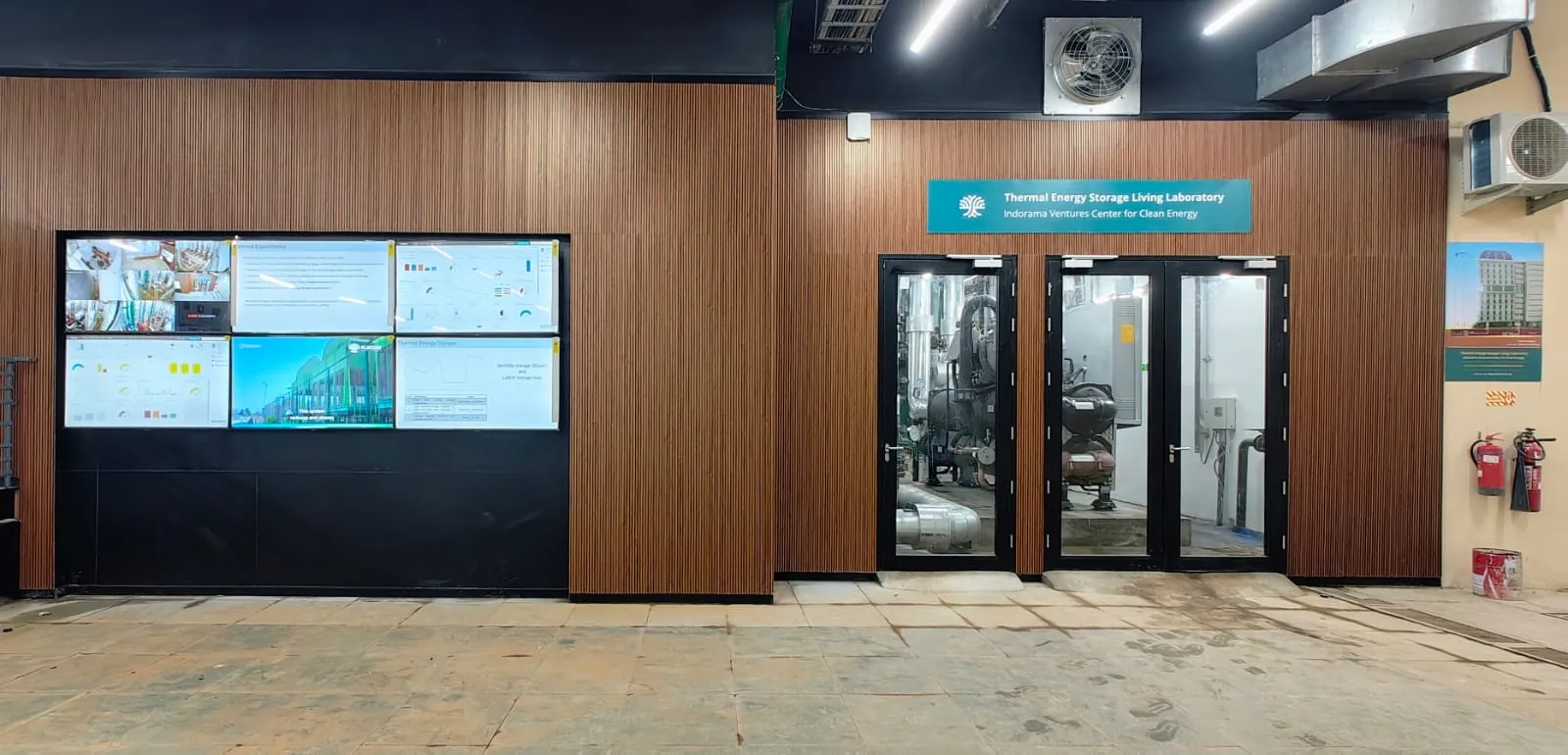
Thermal Energy Storage Living Lab
India's largest academic research testbed for thermal storage, cooling a 220-room hostel at night with energy stored by day.
District cooling for homes
Operational data from 387 homes in Hyderabad shows district cooling can cut installed cooling capacity by up to 90%.