
Climate zones for Indian districts
India's building codes still rely on climate zones drawn in the late 1980s. We built a new, district-level classification that reflects today's weather and links directly to how buildings use energy.
- Coverage
- Every district in India
- Climate types
- 6
- Published in
- Building and Environment, 2025
For decades, energy efficiency in Indian buildings has been guided by the Energy Conservation Building Code (ECBC), the National Building Code (NBC) and green building rating systems. All of them use climate classifications last developed nearly four decades ago. Those maps were based on few weather stations, covered few districts and were not designed around the energy needs of buildings.
With new weather datasets, modern analytical methods and today's building technologies, we developed a new classification that covers the whole country and is tied to building energy performance.
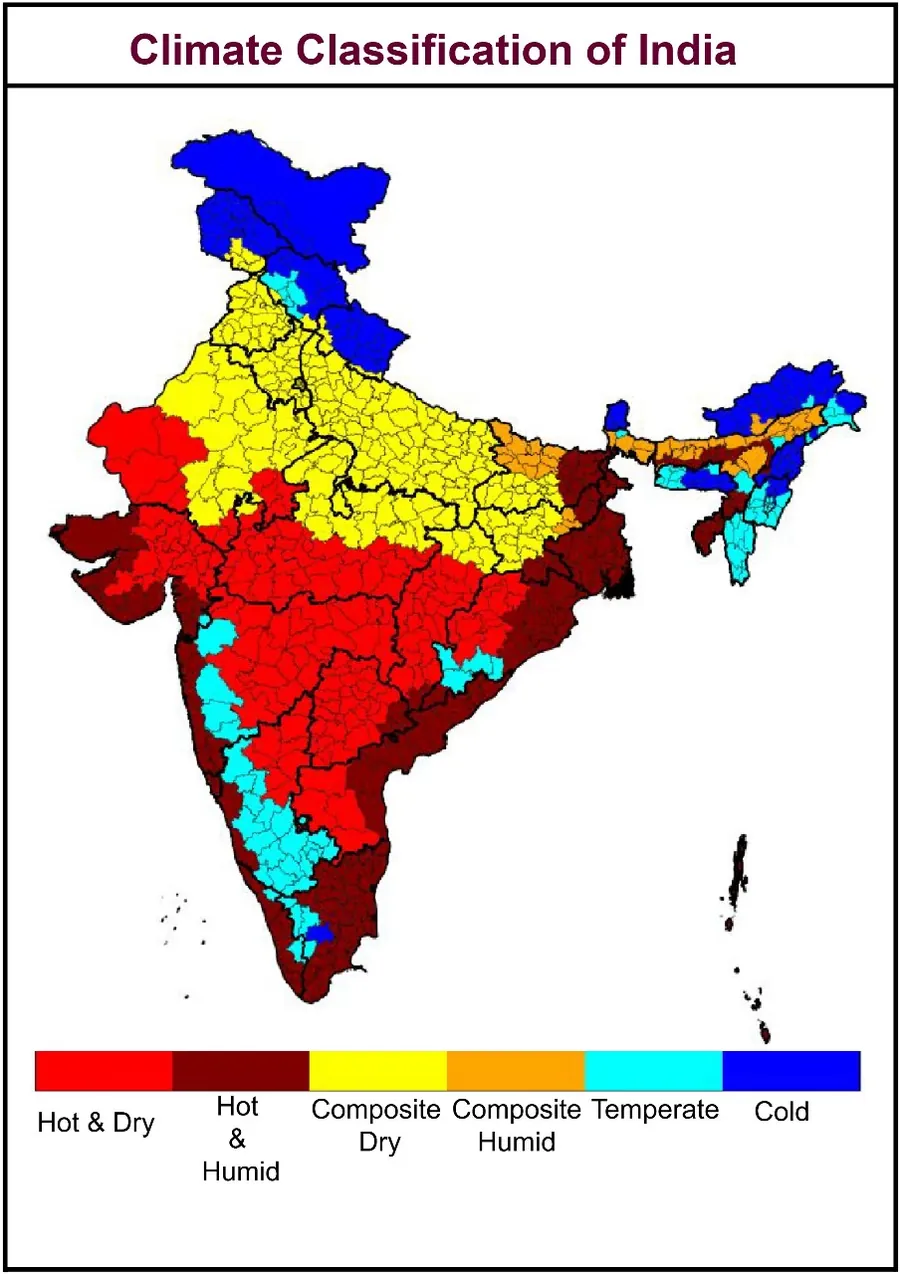
What the map shows
Each district is assigned a climate type using clear criteria: mean summer temperature, mean winter temperature, and mean relative humidity from April to June.
Who it helps
The classification can be the foundation for regional compliance pathways and baseline performance models in NBC, ECBC and green building rating systems. It also guides architects, engineers, planners and developers towards buildings that are more comfortable and use less energy.
Related publications
- Gupta, R., Mathur, J. and Garg, V. “A Criteria-Based Climate Classification Approach Considering Clustering and Building Thermal Performance: Case of India.” Building and Environment 270 (February 2025): 112512.
- Gupta, R., Mathur, J. and Garg, V. “Refining India's Climate Zoning: District-Level Map Using Clustering-Derived Criteria.” Building and Environment 285 (November 2025): 113633.
More in urban microclimate
Urban microclimate
Cool roof policy
Technical support that helped Telangana, Andhra Pradesh and Uttar Pradesh adopt cool roofs and treat heatwaves as a disaster.
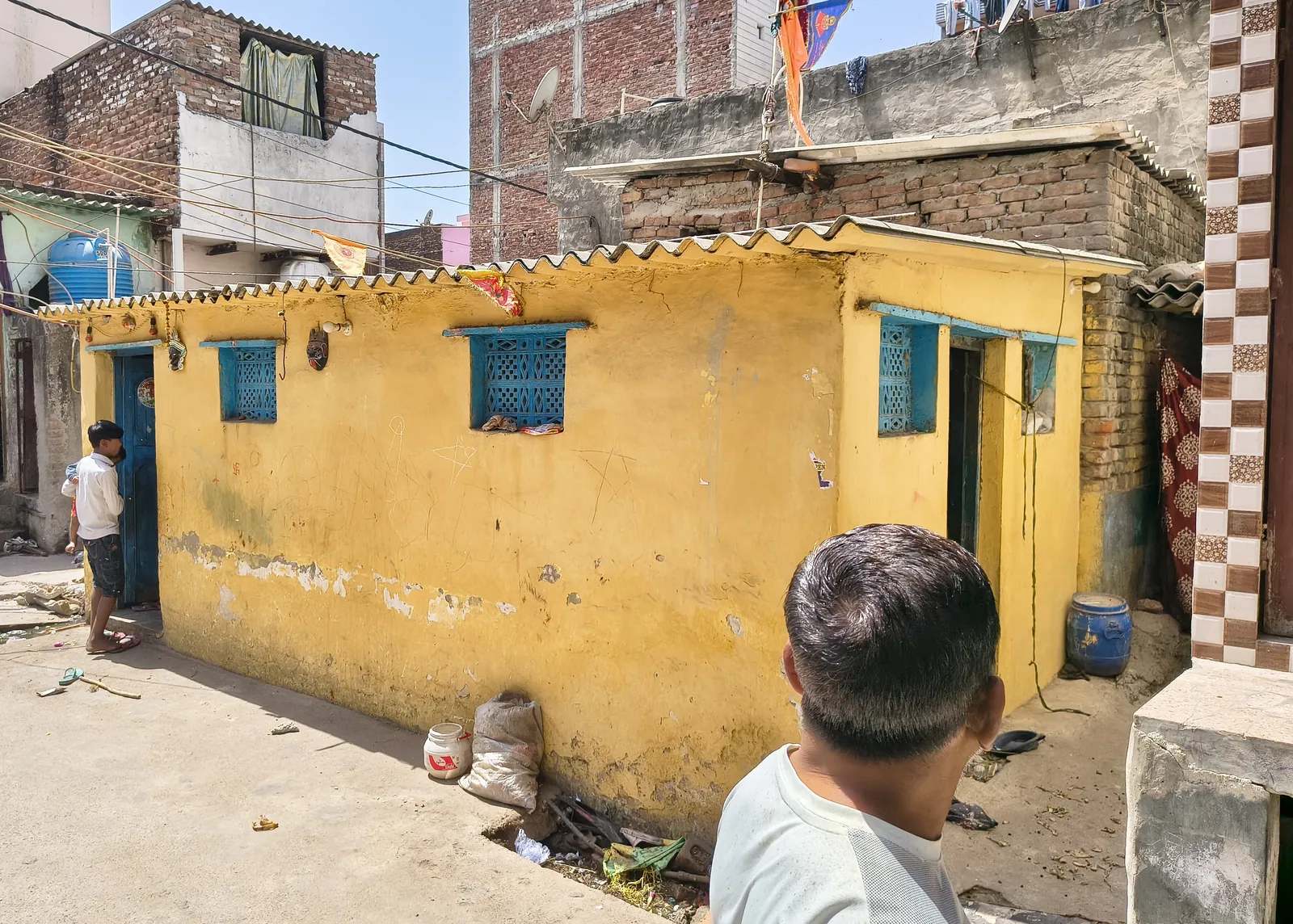
Roof of Hope
Reflective roofs for homes in a low-income settlement in Delhi, cutting roof temperatures by up to 20 °C.

Wind tunnel for urban planning
An in-house, energy-efficient wind tunnel for studying wind, ventilation and pollution around buildings.