
Wind tunnel for urban planning
An open environmental wind tunnel designed and built in-house. It matches a conventional tunnel of its size while using about five times less power.
- Test section
- 2 ft × 2 ft × 2 ft
- Fans
- Arrays of variable-speed DC fans on two sides
- Power
- About 5× lower than a single-fan tunnel
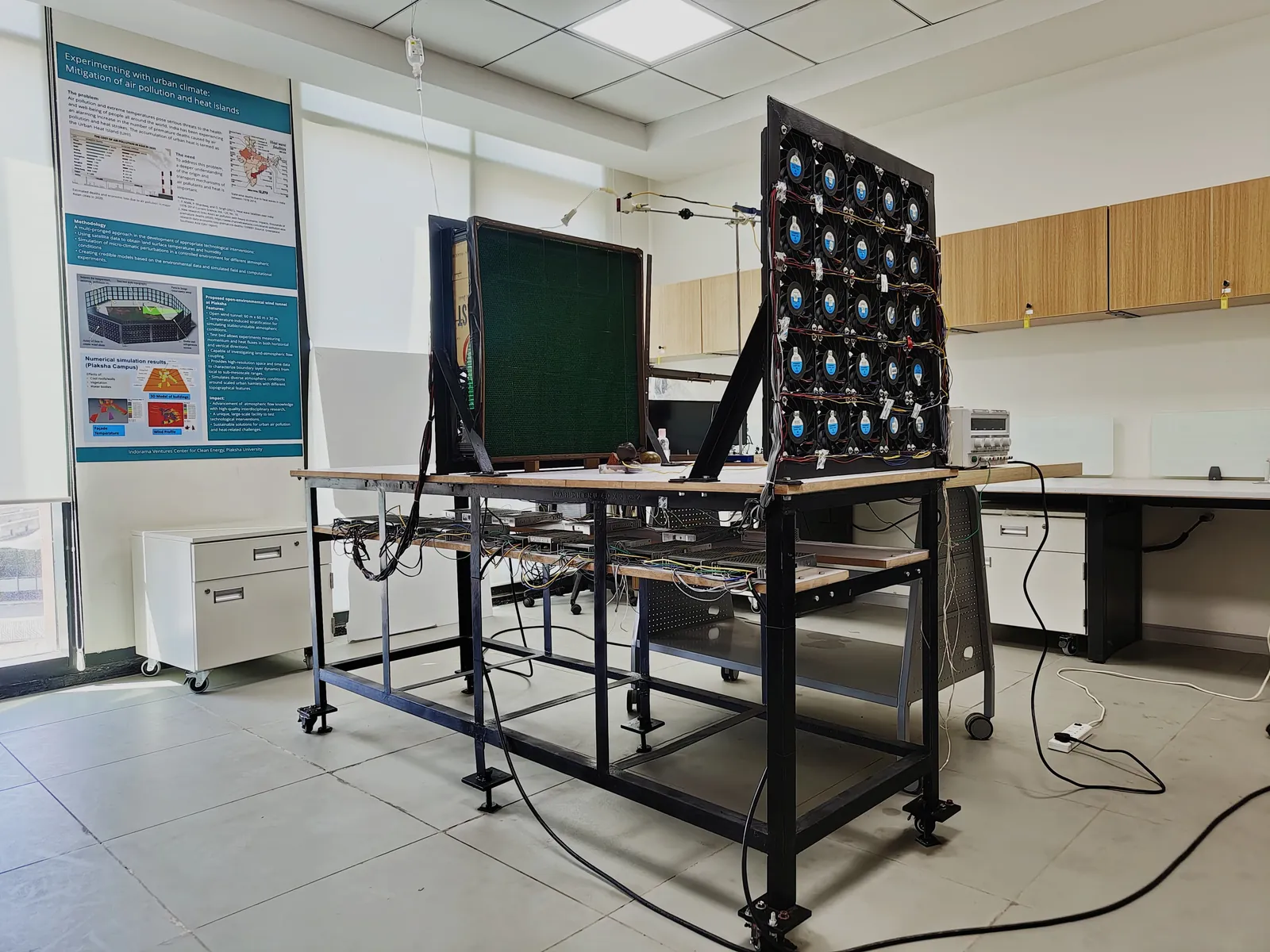
Two arrays of variable-speed DC fans let us create controlled velocity shear profiles, which simulate how wind behaves near the ground in the atmosphere. Compared with single-fan tunnels of a similar size, this design gives the same performance for about a fifth of the power.
What it is used for
- Urban wind flow around building models
- Pollutant dispersion
- Natural ventilation
- How vegetation affects airflow
- Thermal stratification
Current work
We are benchmarking velocity measurements and flow visualisation on standard prototype models across different wind speeds and surface roughness. This includes model preparation, calibration, measurement, smoke-based visualisation and data analysis.
The tunnel is used by our researchers, faculty and students. School students in the Young Tech Scholars summer programme have also used it for hands-on projects, including a weather information system for smart homes. Over time, the facility can support real-world validation of airflow, ventilation and microclimate strategies across the campus, and inform urban planning and policy.
More in urban microclimate
Urban microclimate
Cool roof policy
Technical support that helped Telangana, Andhra Pradesh and Uttar Pradesh adopt cool roofs and treat heatwaves as a disaster.
Roof of Hope
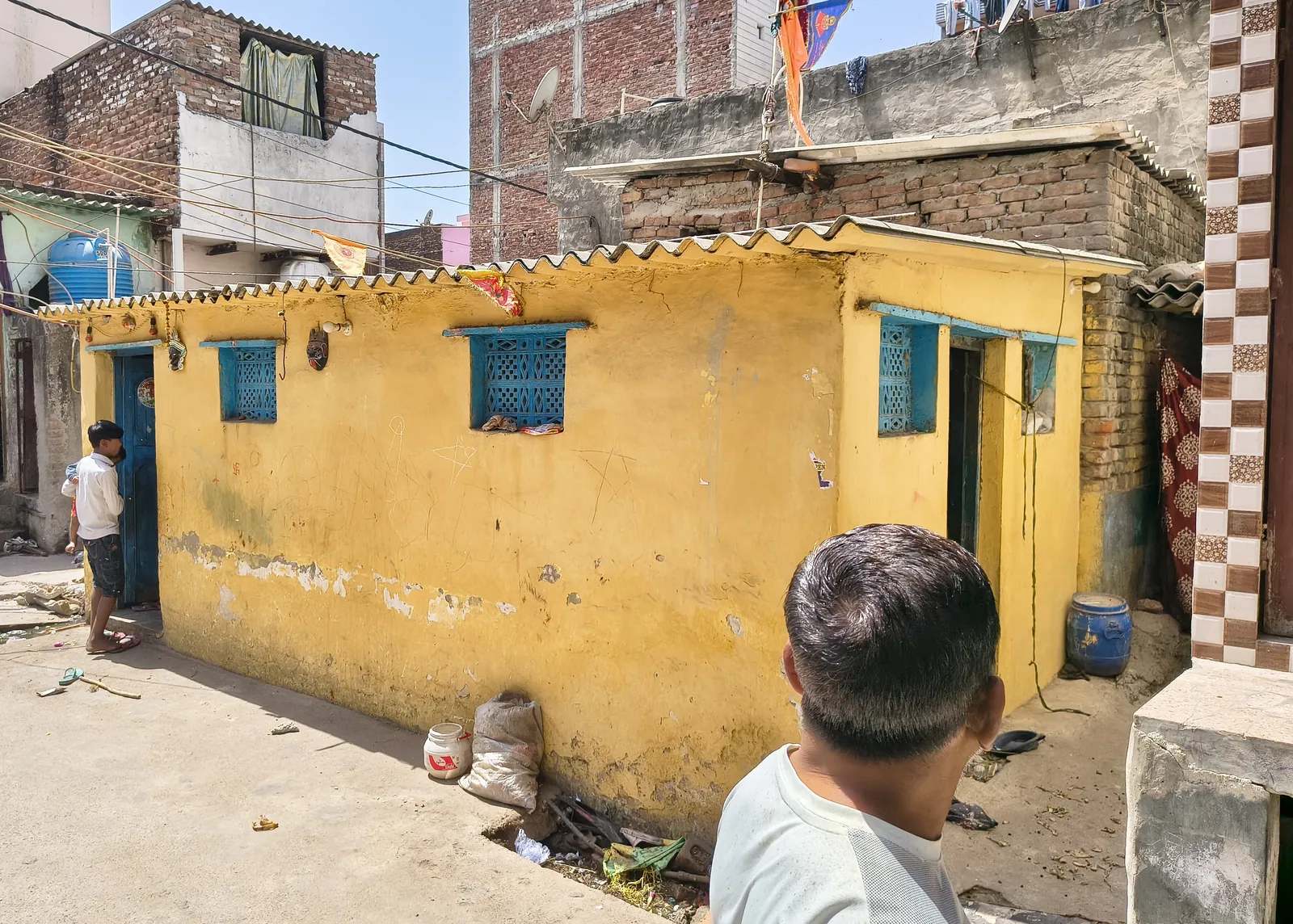
Reflective roofs for homes in a low-income settlement in Delhi, cutting roof temperatures by up to 20 °C.
Climate zones for Indian districts
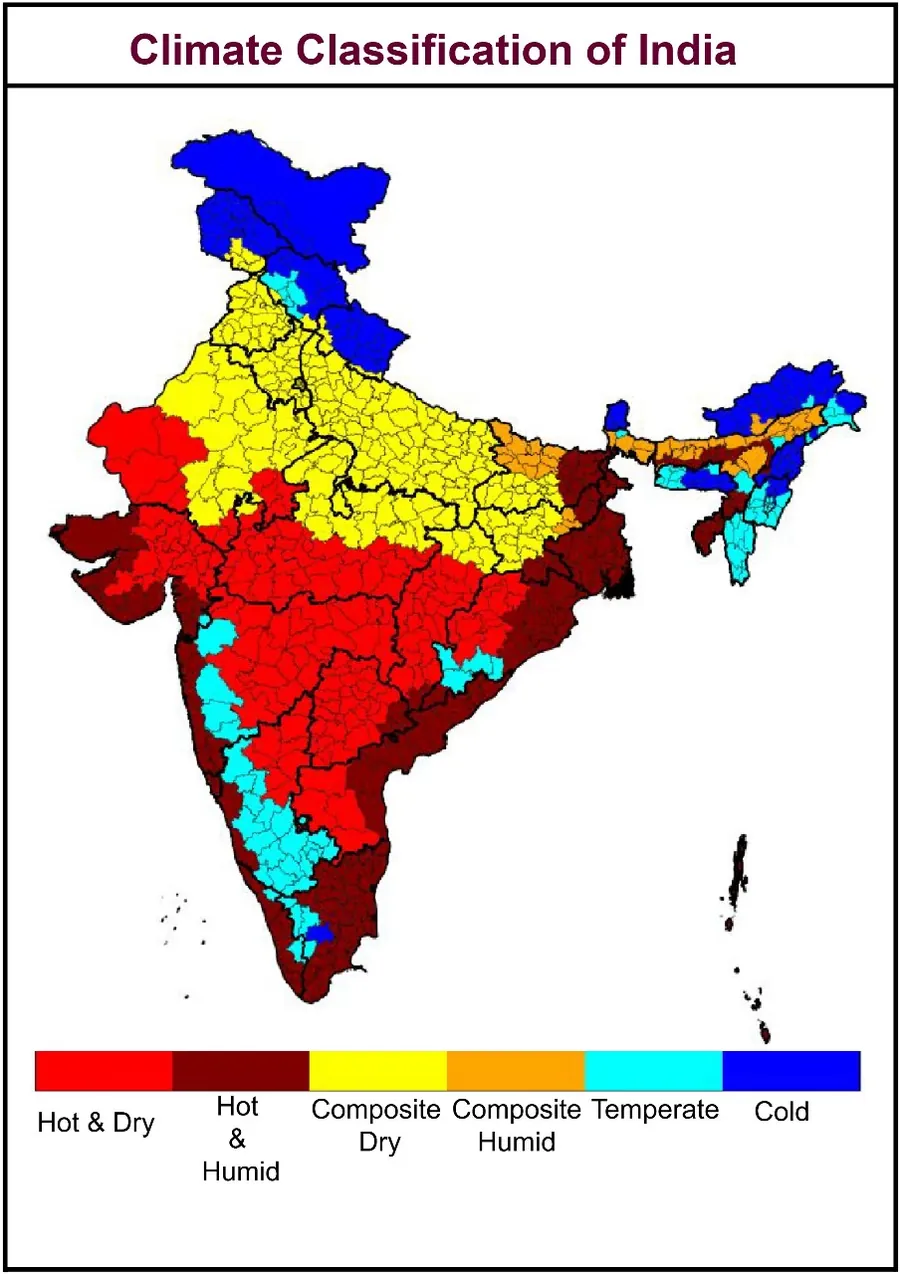
A new climate classification for every district in India, built for building energy performance.