
Roof of Hope
A community pilot in West Delhi that shows what a low-cost cool roof does for families living through extreme summer heat, now growing from 100 homes to 1,000.
- Location
- Bakkarwala Resettlement Colony, West Delhi
- Homes
- 100 in 2025, 1,000 in 2026
- Partners
- Mahila Housing Trust, Nagarro Foundation
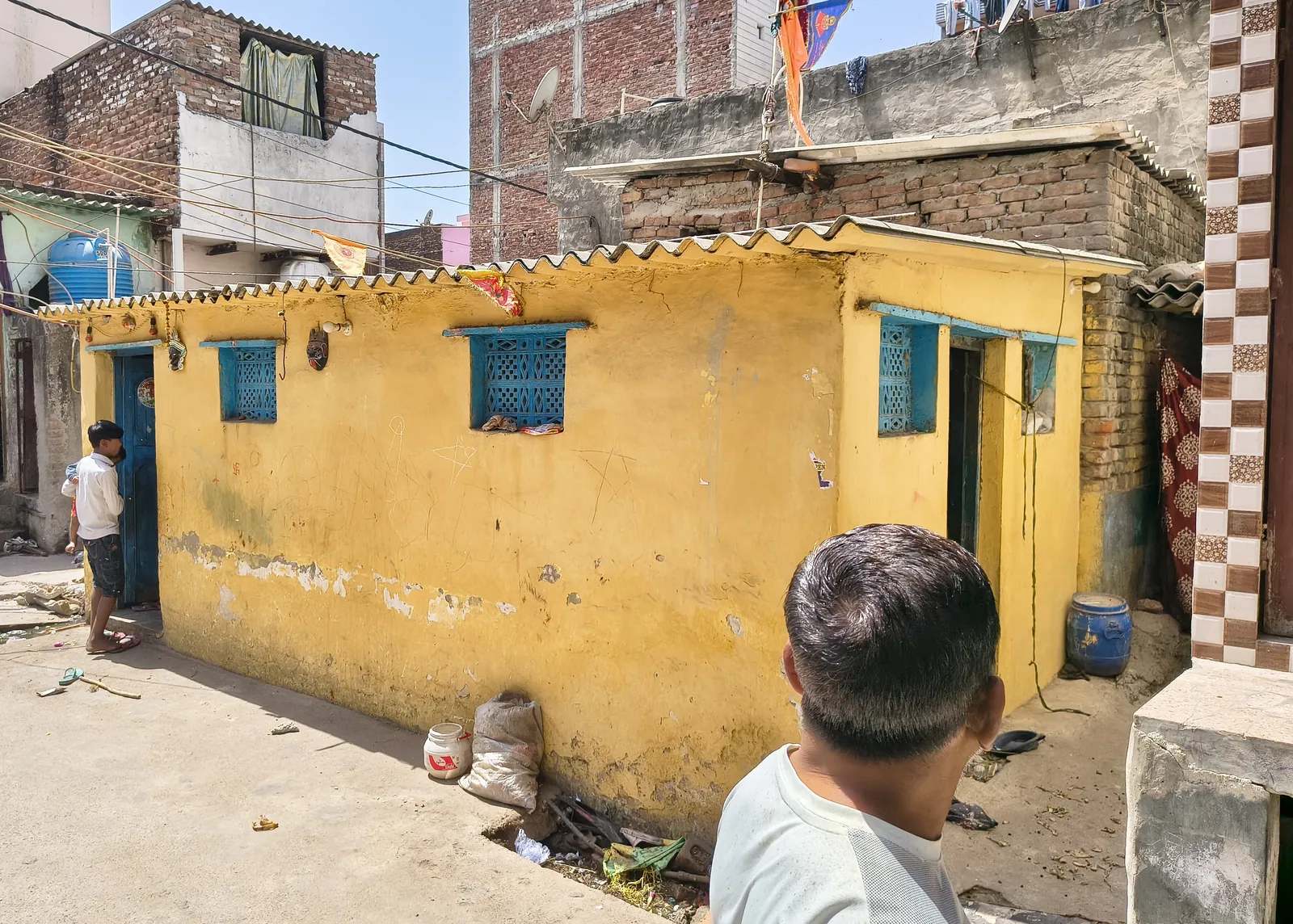
Bakkarwala is a low-income resettlement colony with limited infrastructure, where families endure extreme heat in peak summer. Under Roof of Hope, we installed reflective tarpaulin sheets on the roofs of 100 homes, with support from the Mahila Housing Trust.
What we measured
Before the intervention, roof surfaces reached 68 °C, indoor ceilings 52 °C and walls up to 41 °C. After installation, roof surface temperatures fell by 15-20 °C, indoor ceilings by 3-8 °C and walls by 2-4 °C.
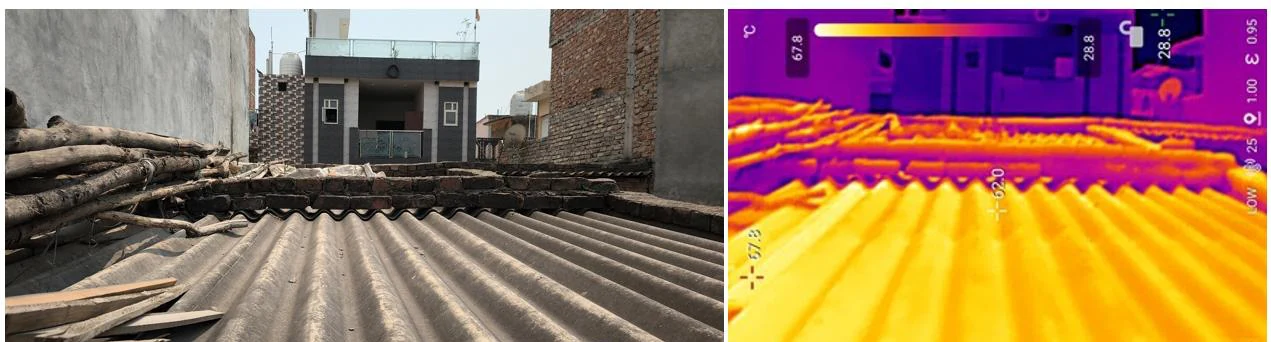
Roof surface in peak summer, before the cool roof.
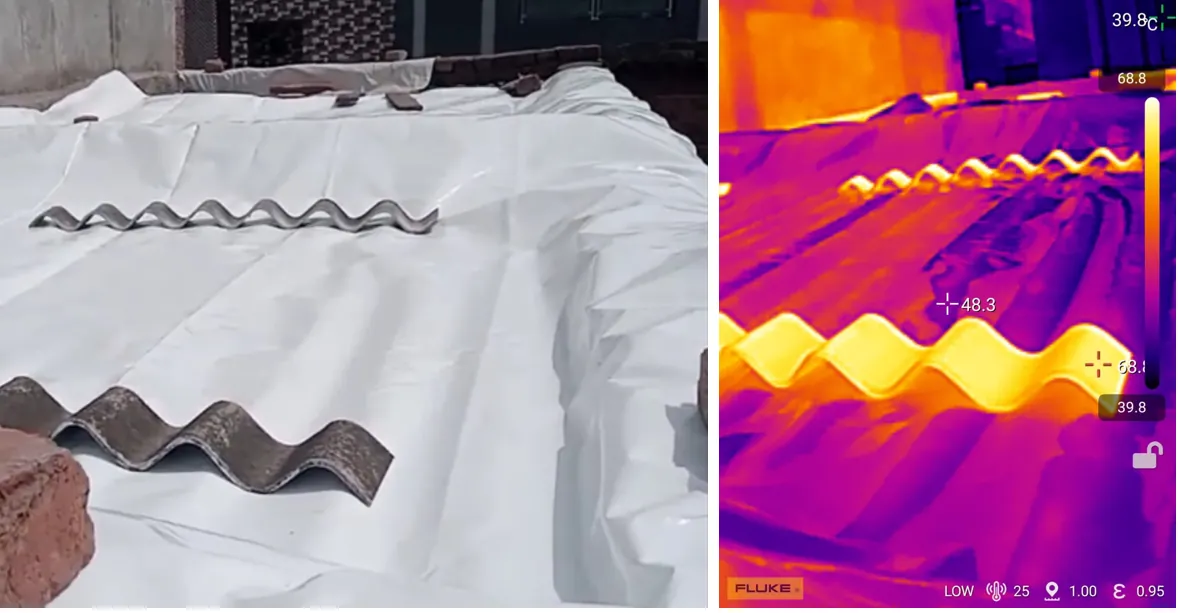
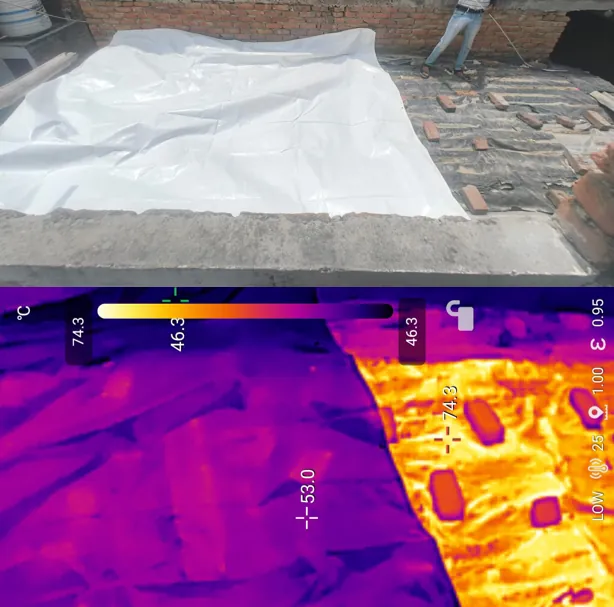
Roof surface under the reflective sheet, a drop of nearly 20 °C.
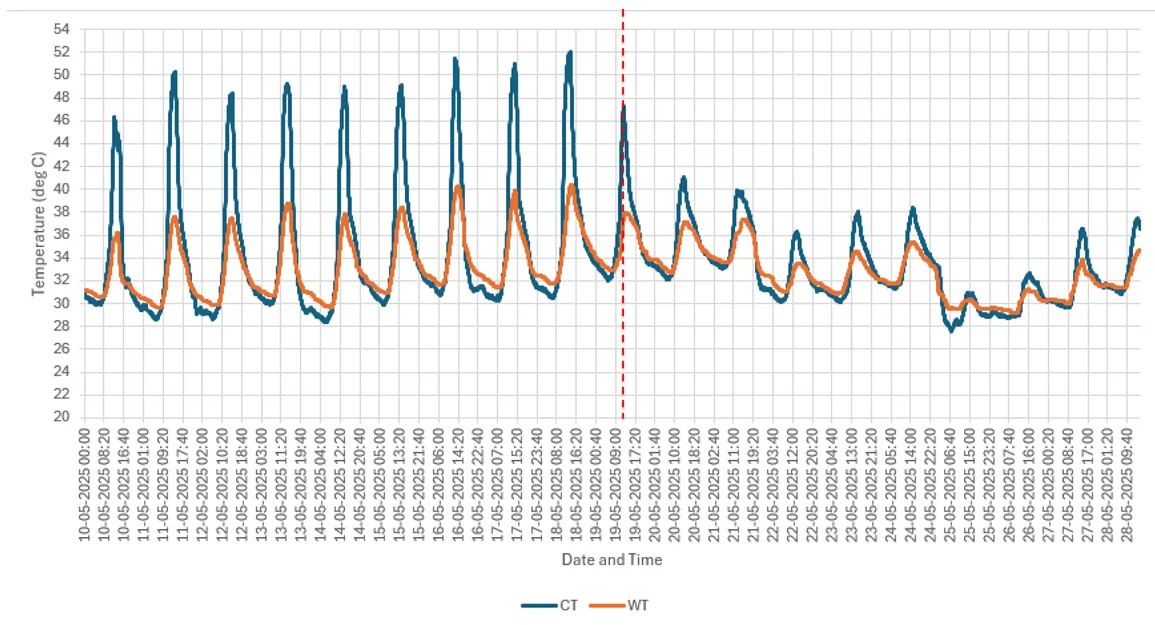
- Ceiling (CT)
- 3-8 °C cooler
- Walls (WT)
- 2-4 °C cooler
Readings from 10 to 28 May 2025. The dashed line marks when the cool roof was installed.
One day, two homes
This summer we monitor homes in pairs, one with a cool roof and one without. On 17 June 2026, two monitored homes with the same type of roof went through the same hot day. On the home without a cool roof, the roof surface passed 64 °C. On the home with one, it stayed at 42 °C.
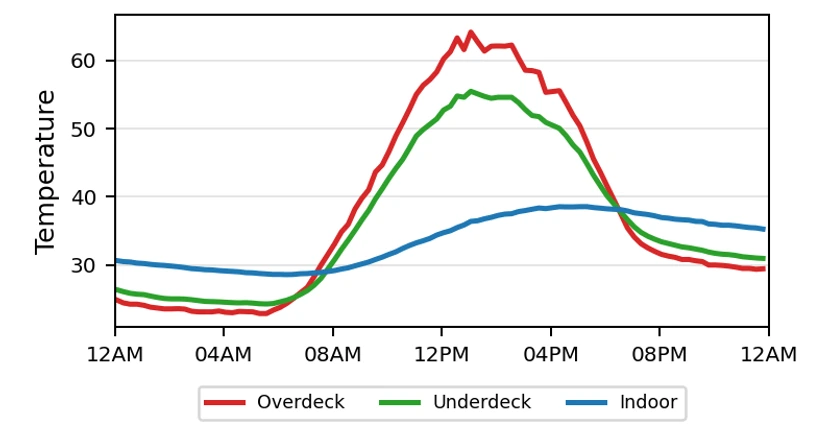
- Roof top
- 64.2 °C
- Roof underside
- 55.5 °C
- Indoor
- 38.5 °C
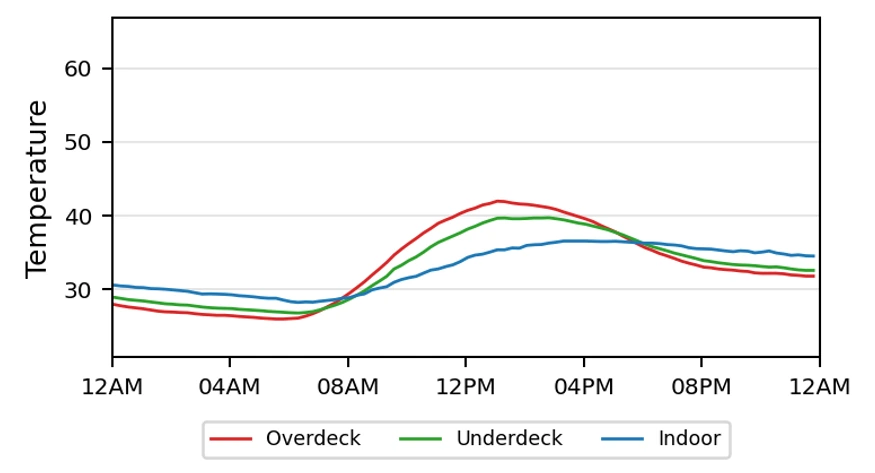
- Roof top
- 42.0 °C
- Roof underside
- 39.7 °C
- Indoor
- 36.6 °C
Highest temperatures over 24 hours on 17 June 2026.
What families told us
Household surveys had a 98% response rate. Before installation, 99% of residents said their homes were uncomfortably hot in peak summer. After installation, 80% reported better indoor comfort, less need for fans and better sleep, and over 95% were satisfied overall.
Scaling up to 1,000 homes
With support from the Nagarro Foundation, Roof of Hope is growing to 1,000 homes this summer. To measure the difference, we monitor 20 homes in pairs: 10 with cool roofs and 10 without.

Each monitored home has one of our custom-made sensor hubs. It records the roof and room conditions through the day, so we can compare homes with and without cool roofs side by side.
The colony has nearly 4,000 homes. The same approach can cover all of them and then other urban-poor settlements, paving the way for city-wide heat resilience.
More in urban microclimate
Urban microclimate
Cool roof policy
Technical support that helped Telangana, Andhra Pradesh and Uttar Pradesh adopt cool roofs and treat heatwaves as a disaster.
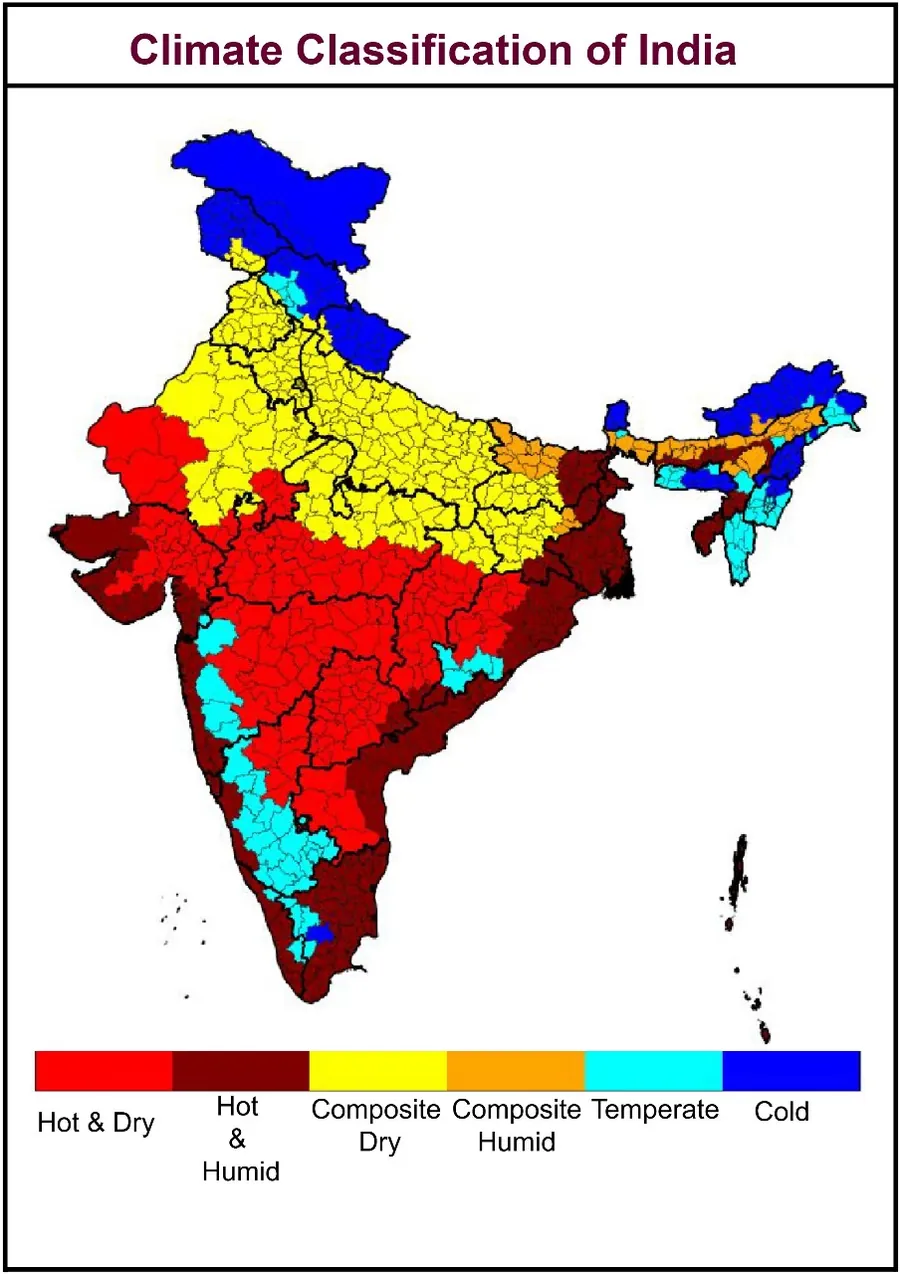
Climate zones for Indian districts
A new climate classification for every district in India, built for building energy performance.
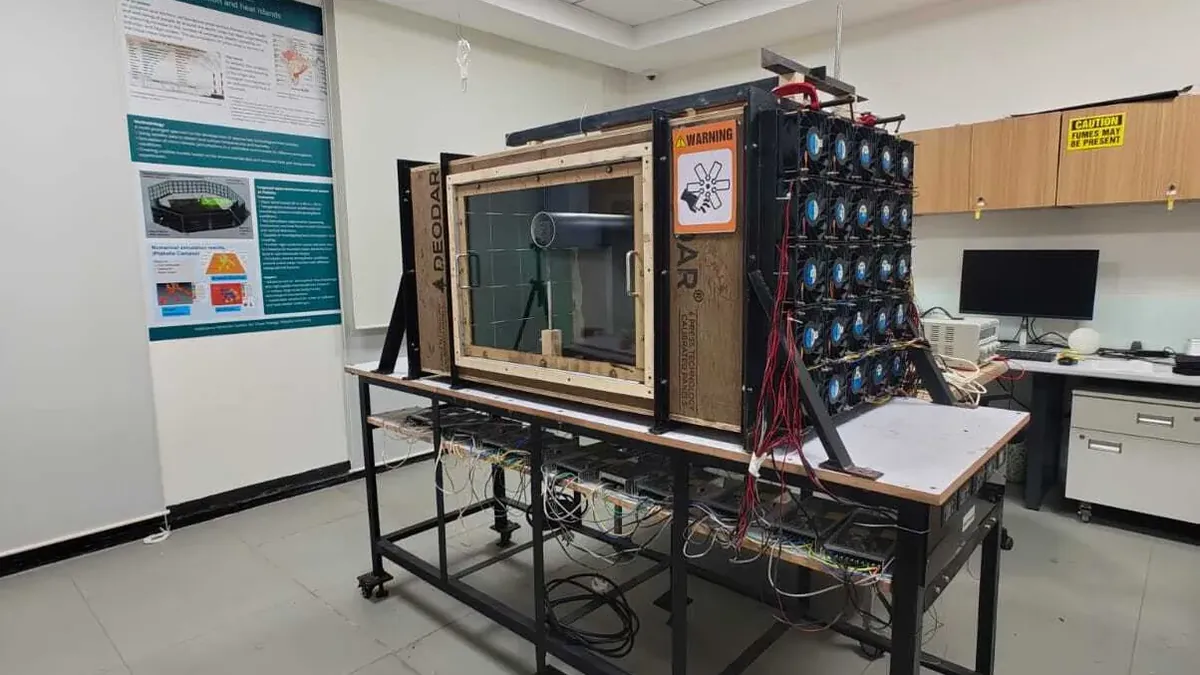
Wind tunnel for urban planning
An in-house, energy-efficient wind tunnel for studying wind, ventilation and pollution around buildings.