
Cool roof policy
Cool roofs are one of the cheapest ways to cool a city. We help state governments make them mainstream, and work towards heatwaves being recognised as a national disaster.
- States
- Telangana, Andhra Pradesh, Uttar Pradesh
- Since
- 2023
- Working with
- State governments, NRDC, ASCI

Cool roofs reflect sunlight instead of absorbing it. That lowers heat stress indoors and outdoors, and the benefits reach everyone: immediate relief for low-income households without air conditioning, cooler streets for vendors and construction workers, more comfortable hospitals for patients recovering from illness, and, at city scale, lower electricity demand, fewer emissions and better resilience to heatwaves.
Milestones
- April 2023, Telangana. Telangana launched India's first Cool Roof Policy (2023-28), which our team helped formulate. It targets 300 sq km of cool roofs, about 600 GWh of electricity savings a year after five years, and a one-time offset of 30 million tCO₂.
- April 2025, Telangana. Building on sustained policy engagement led by our team, Telangana officially recognised heatwaves as a disaster on 15 April 2025.
- August 2025, Hyderabad. Our Director joined the Telangana Disaster Management Department and NRDC to develop the Hyderabad Heat Action Plan and plan trainings, with ASCI, for 145 urban local bodies.
- December 2025, Andhra Pradesh. After continued advocacy, including a talk on the science of cool roofs at the state workshop, Andhra Pradesh notified ECSBC, Eco-Niwas Samhita and cool roof provisions as part of its building bye-laws.
- Ongoing, Uttar Pradesh. We are giving technical support for the state's cool roof and urban cooling policy, including capacity building on the UP Energy Conservation Building Code.

Where this is heading
The broader goal is for heatwaves to be recognised as a disaster nationally. That would unlock stronger policy frameworks, dedicated funding and large-scale heat mitigation across the country. Next, we aim to support cool roof policy in Punjab, Chandigarh and other states.
More in urban microclimate
Urban microclimate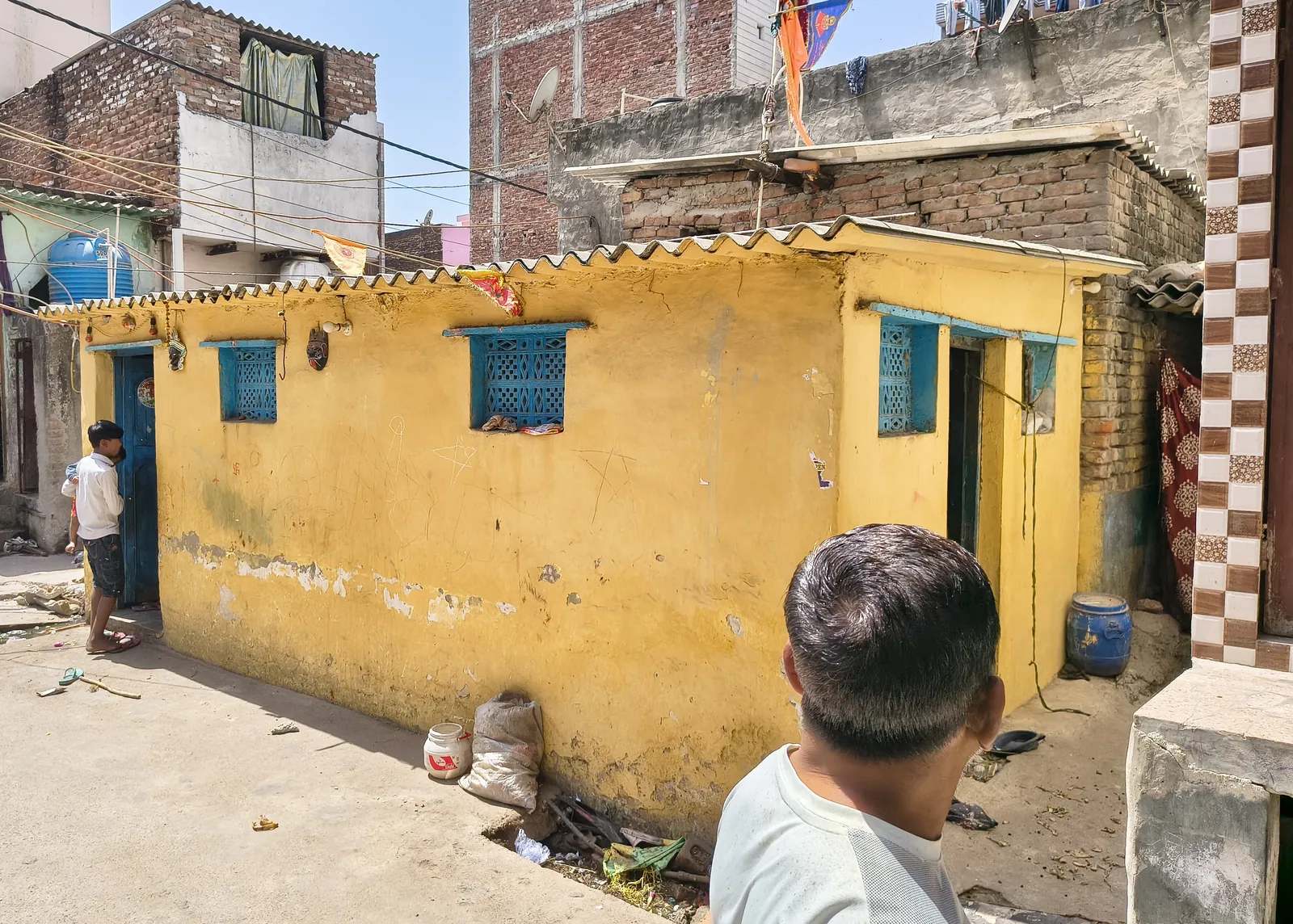
Roof of Hope
Reflective roofs for homes in a low-income settlement in Delhi, cutting roof temperatures by up to 20 °C.
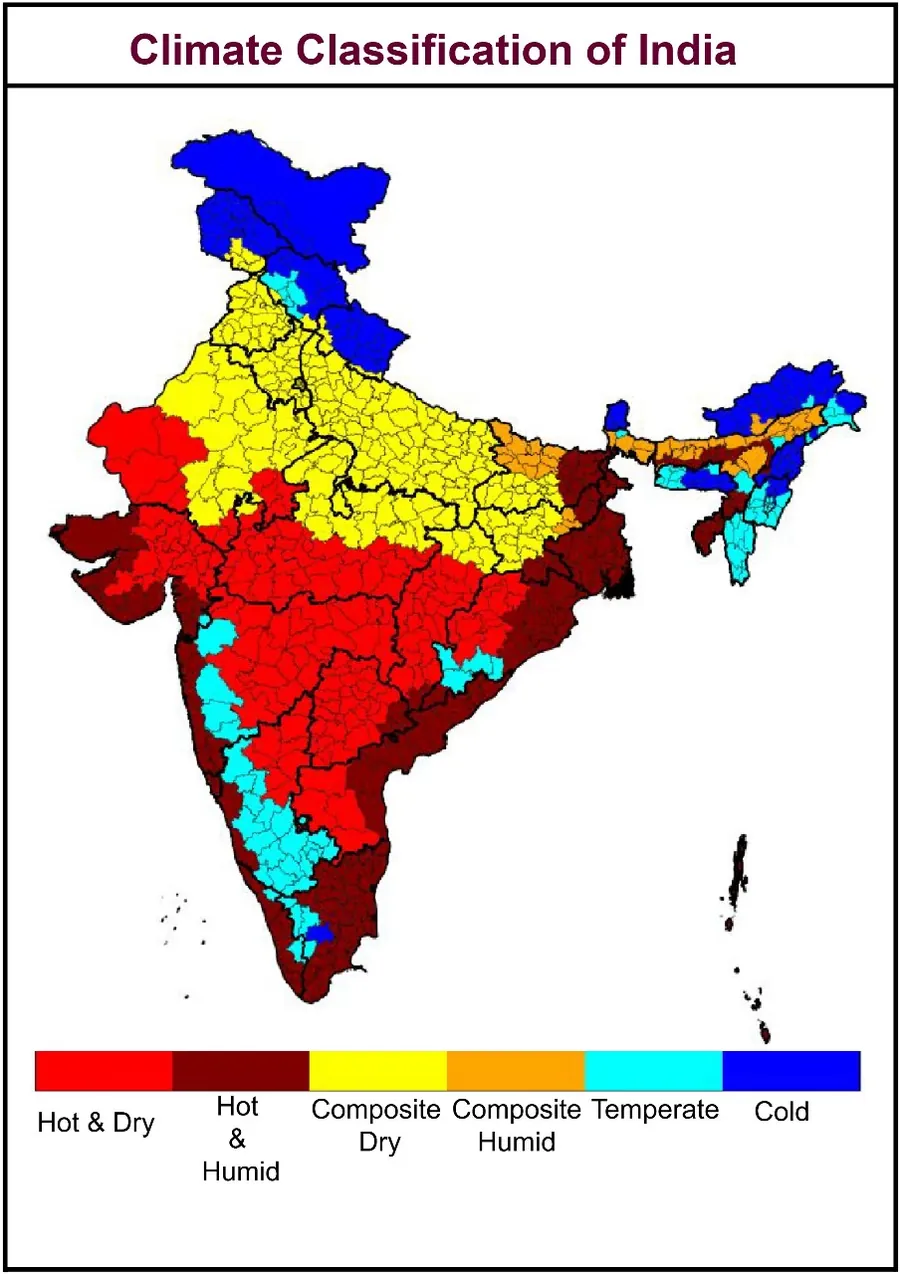
Climate zones for Indian districts
A new climate classification for every district in India, built for building energy performance.
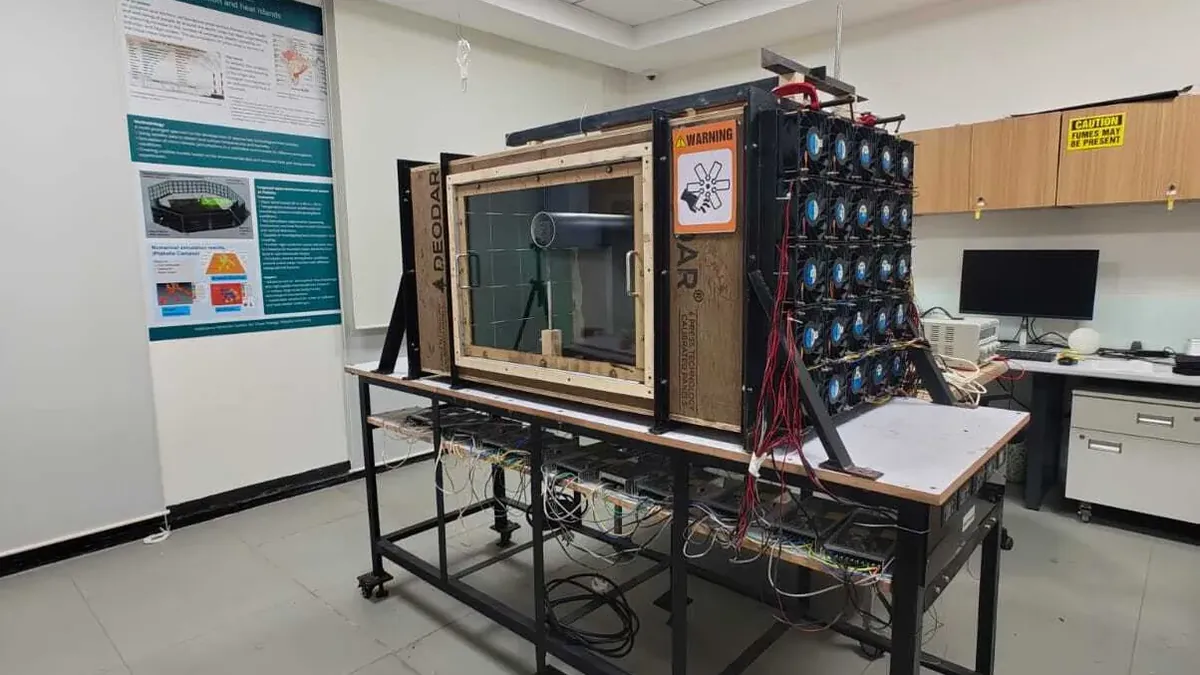
Wind tunnel for urban planning
An in-house, energy-efficient wind tunnel for studying wind, ventilation and pollution around buildings.